Clear, practical pharmacy education from Preferred Pharmacy about medications, prescription management, insurance, medication organization, and everyday pharmacy questions.

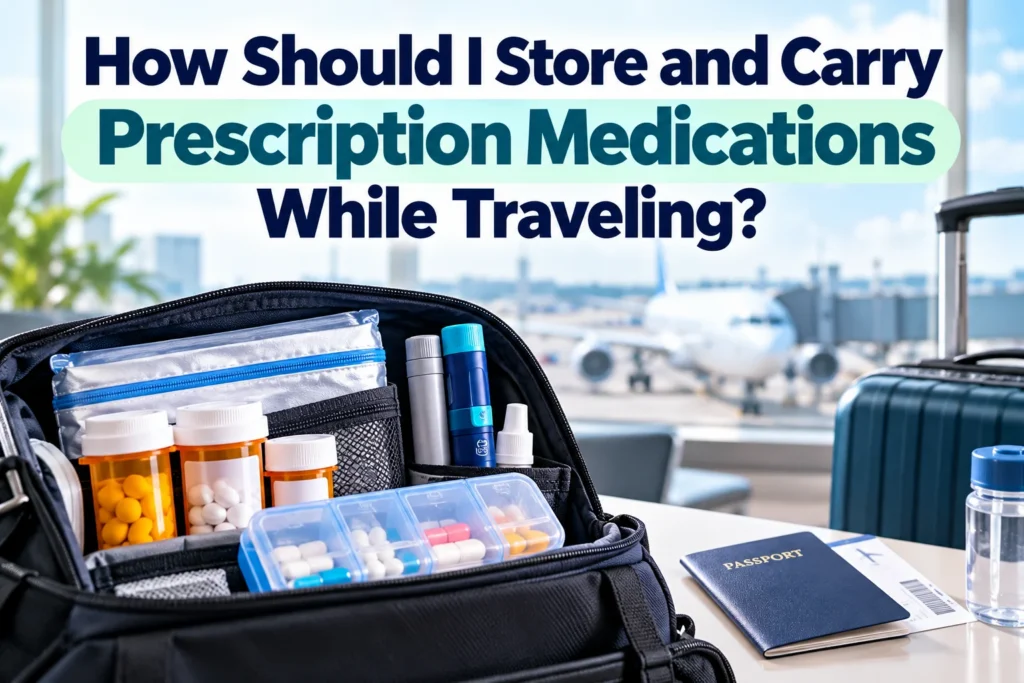
Featured educational image showing prescription bottles and a pill organizer packed in a medication travel bag at an airport, with the headline about storing and carrying prescription medications while traveling.
Learn how to pack prescription medications for travel, including carry-on luggage, TSA screening, original prescription bottles, pill organizers, refrigerated medicines, and international travel precautions.
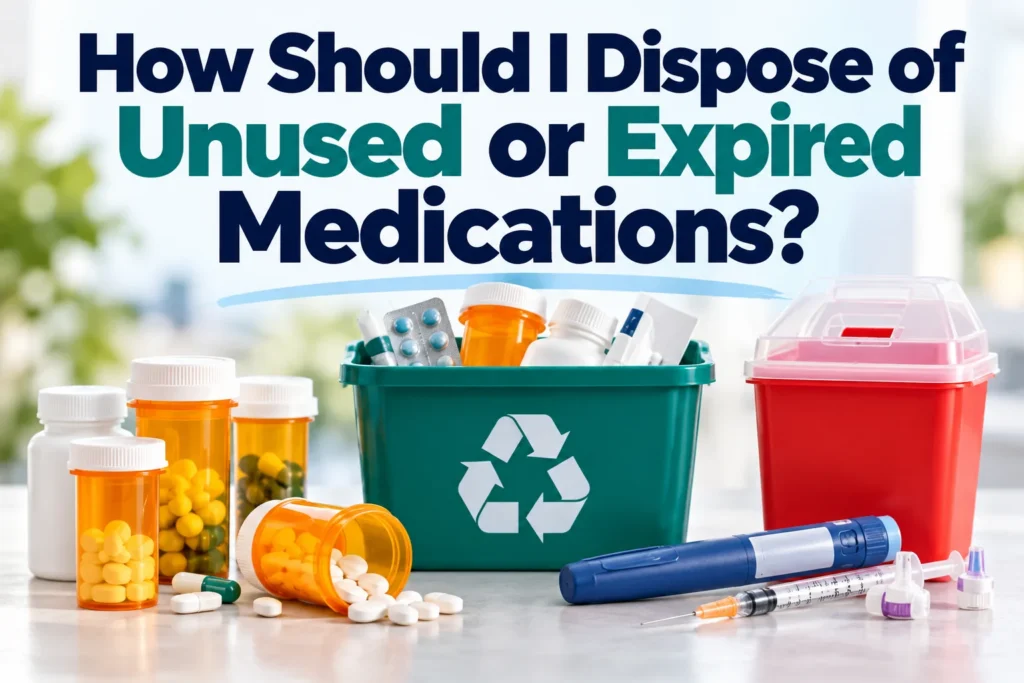
Featured educational image asking how to dispose of unused or expired medications, showing prescription bottles, pills, a collection bin, and a separate red sharps container.
Learn how to safely dispose of unused or expired medications, including pharmacy take-back programs, household trash disposal, FDA flushing exceptions, and safe handling of needles and sharps.
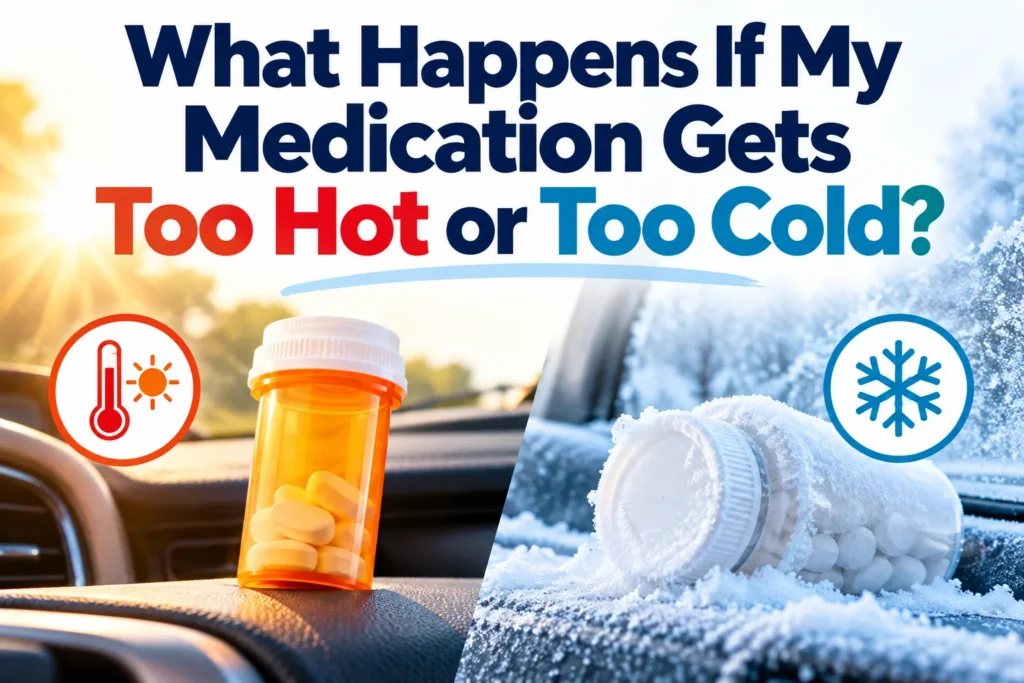
Educational image asking what happens when medication gets too hot or too cold, showing a prescription bottle in a hot car and another exposed to freezing conditions.
Left your medication in a hot or cold car? Learn how extreme temperatures may affect medicine, which medications need extra caution, and what to do after accidental exposure.
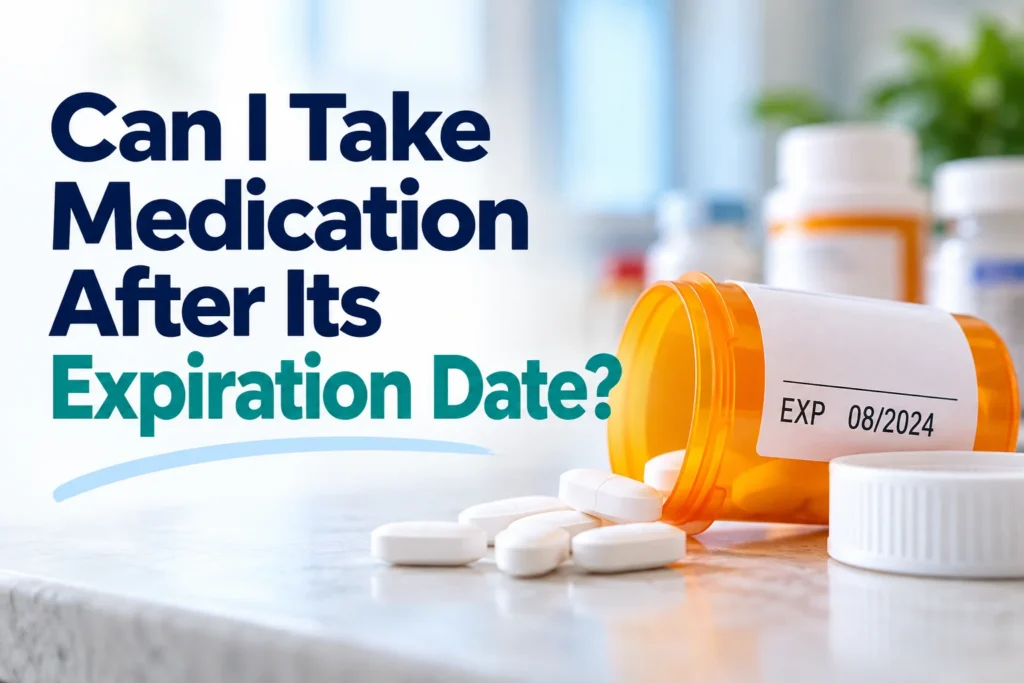
Featured educational image asking whether medication can be taken after its expiration date, with a prescription bottle labeled EXP 08/2024 and white tablets.
Is expired medication still safe or effective? Learn what expiration dates mean, why some medicines require extra caution, and what to do with expired prescriptions.
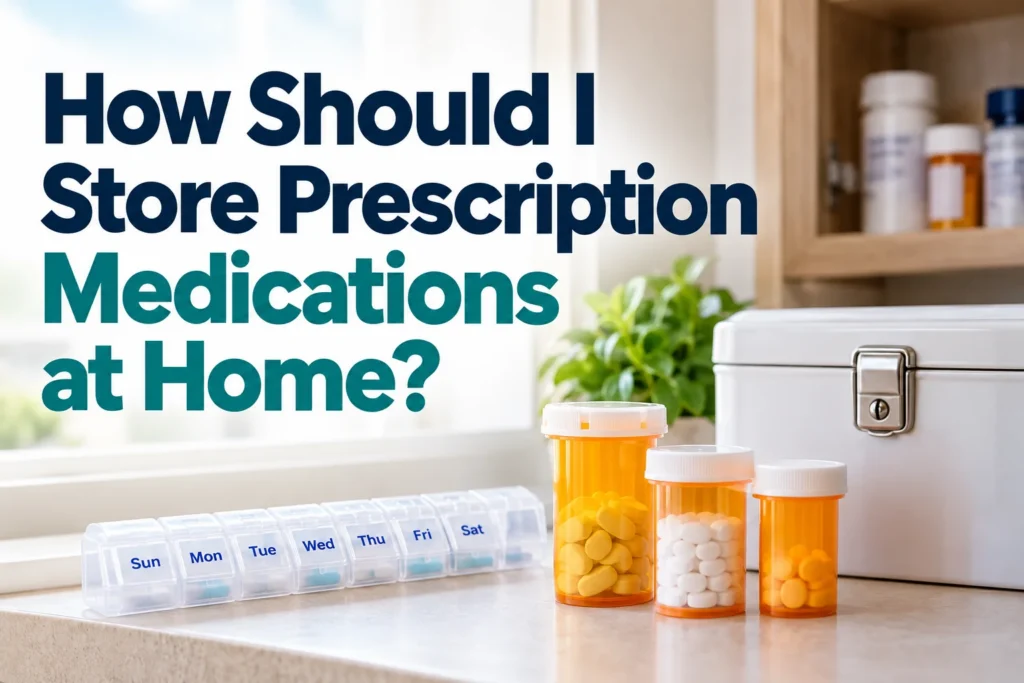
Medication storage infographic comparing places to avoid, including bathrooms, direct sunlight, and heat sources, with safer options such as a cool, dry cabinet and secure storage.
Learn how to store prescription medications safely at home, why bathrooms may be unsuitable, when pill organizers are appropriate, and how to protect medicines from heat, moisture, and accidental access.
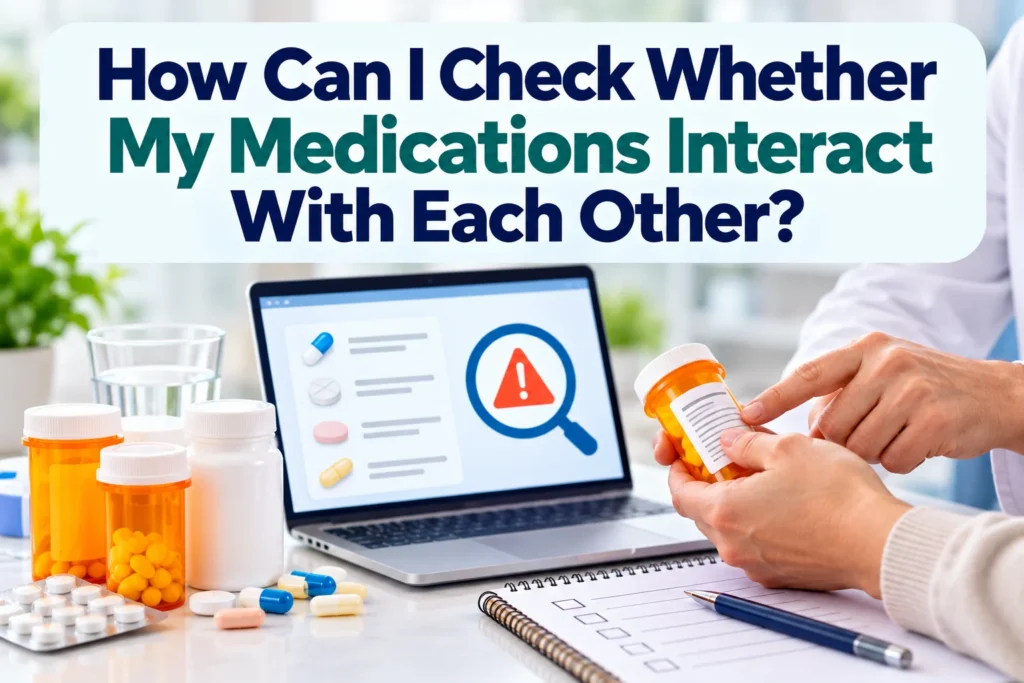
Educational image showing prescription medication bottles, a laptop displaying a drug interaction warning, and a pharmacist reviewing a medication label with a patient.
Learn how to check medication interactions, use online drug interaction checkers, understand warning levels, and know when to ask your pharmacist about medication safety.
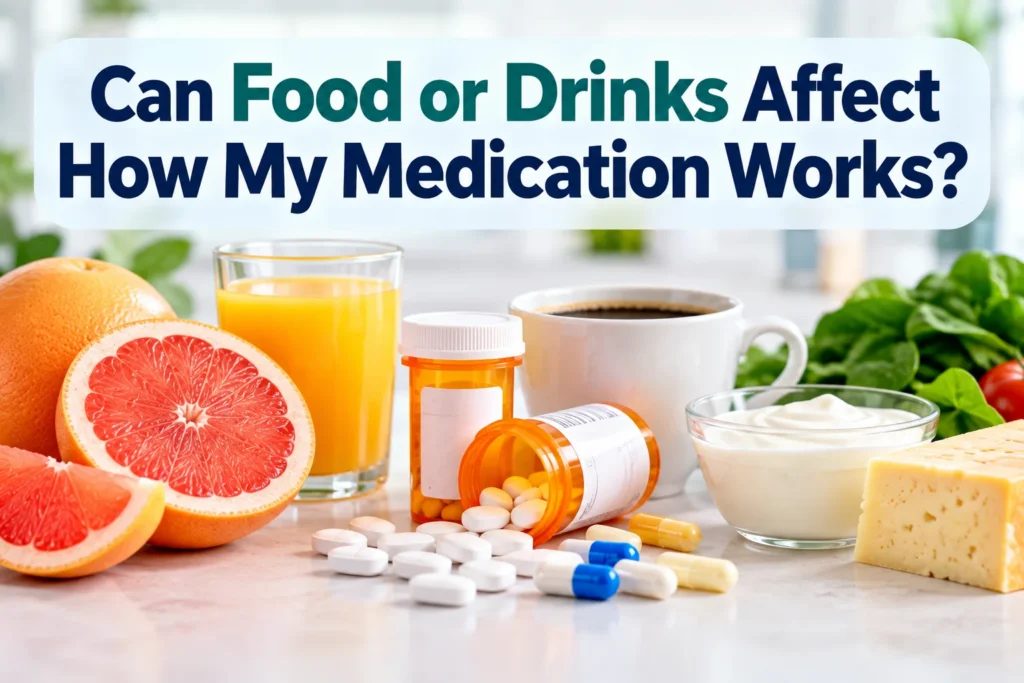
Prescription medication bottles and tablets surrounded by grapefruit, juice, coffee, yogurt, cheese, and leafy greens, illustrating food and medication interactions.
Can food or drinks affect your medications? Learn what “take with food” means, which foods and beverages may interact with prescriptions, and when to ask your pharmacist.
Two open prescription medication bottles containing different pills, illustrating the question of taking two medications at the same time.
Can you take two different medications at the same time? Learn when prescriptions can be taken together, when timing matters, and how to check for potential drug interactions.
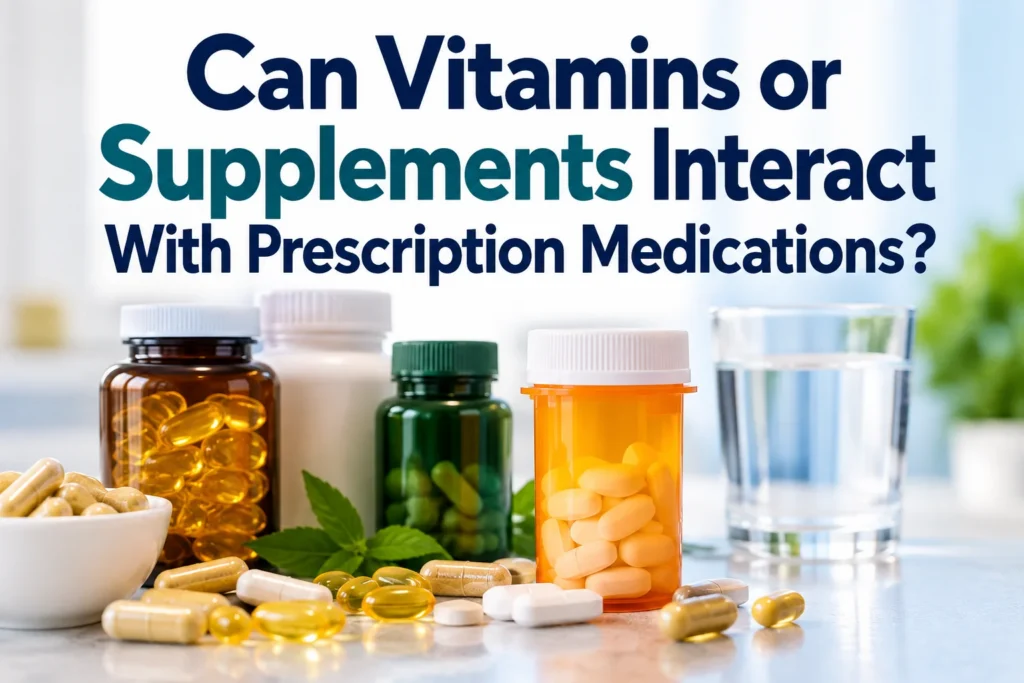
Vitamin and supplement bottles alongside prescription medication, illustrating potential interactions between dietary supplements and prescription drugs.
Can vitamins or supplements interact with prescription medications? Learn about potential interactions involving vitamin D, calcium, iron, blood pressure medicines, and other prescriptions.